

Server Disposal In 2026: What IT Teams Need To Know

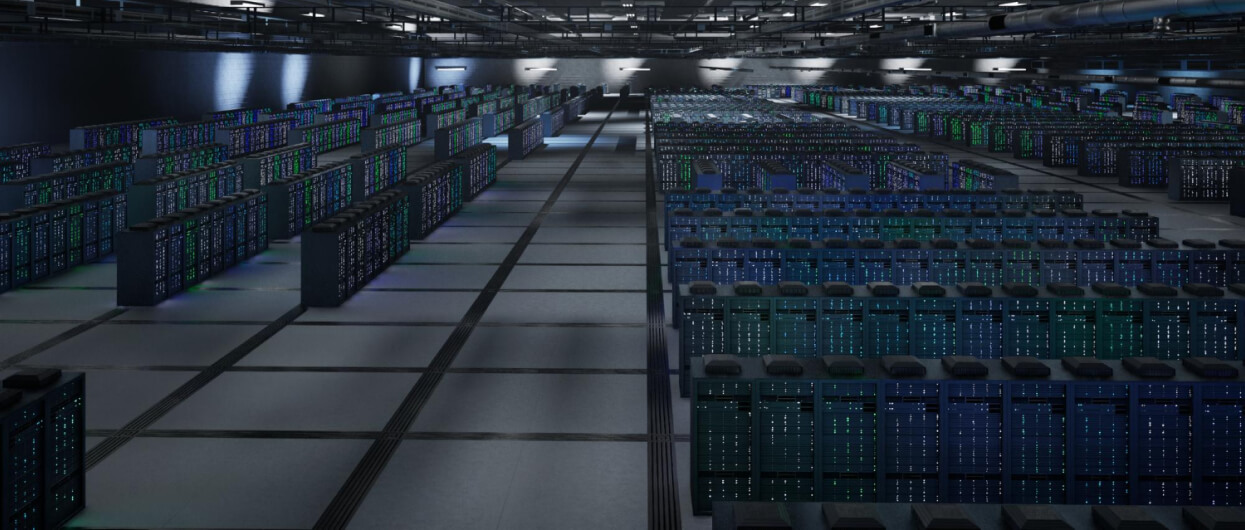
The server refresh cycle is one of the most significant and most poorly managed events in an organisation’s IT lifecycle. Every five to seven years, businesses face the task of decommissioning existing server infrastructure and replacing it with newer hardware or migrating to cloud services. What happens to the old hardware is where most organisations stumble.
Servers are not like desktops or laptops. They operate in fundamentally different ways that create unique challenges at the end of life. A single rack-mounted server may contain multiple drives configured in RAID arrays, making individual drive wiping more complex. Blade servers share chassis and backplane components that must be properly separated. Storage arrays can contain dozens of drives spanning multiple logical volumes. And enterprise servers frequently hold the most sensitive data in the organisation, such as databases, email stores, financial systems, and authentication infrastructure.
The physical logistics are also different. Servers are heavy; a fully loaded 4U rackmount server can weigh 40 to 60 kilograms. They require specialist handling, proper lifting equipment, and vehicles rated for the weight. Removing a full rack of servers from a building involves careful planning around access routes, lifts, loading bays, and security protocols.
Professional server disposal begins with data destruction, not logistics. Every data-bearing component must be identified and sanitised before the hardware leaves the premises — or, at minimum, before it leaves the secure chain of custody. This includes obvious components like hard drives and SSDs, but also less obvious ones: NVDIMM persistent memory, RAID controller caches, BMC/IPMI firmware that may contain network credentials, and any removable media left in optical drives or tape units.
The standard for server data destruction is NIST 800-88, which defines sanitisation methods appropriate to different media types and security levels. For most enterprise servers, the Purge method — using certified software like Blancco to overwrite every addressable sector — is sufficient and preferred because it preserves the hardware for resale. For drives that have failed, are encrypted with lost keys, or are subject to the highest classification requirements, physical destruction through shredding or degaussing is the alternative.
Also read: How To Create A Second YouTube Channel? Steps To Create Multiple YouTube Channel + FAQsEnterprise servers retain surprising residual value. Current-generation processors, DDR4 and DDR5 RAM modules, NVMe SSDs, and enterprise SAS drives all command healthy prices on the secondary market. A decommissioned Dell PowerEdge or HPE ProLiant from a recent generation can recover hundreds or even thousands of pounds, depending on configuration.
Even servers that are too old for whole-unit resale have component value. ECC RAM modules are in consistent demand. Enterprise SSDs with remaining write endurance sell well. Power supplies, fans, and rails from popular server families have an active aftermarket. And at the base level, the metals in the chassis, heatsinks, and circuit boards all have scrap value.
Server disposal generates specific compliance obligations. GDPR requires documented evidence that personal data has been destroyed. PCI DSS mandates specific sanitisation standards for systems that process cardholder data. NHS DSPT requires healthcare organisations to demonstrate secure disposal of clinical data. And the WEEE Regulations require that the electronic waste itself is processed through approved channels with proper waste transfer documentation.
A credible disposal partner will provide a complete documentation pack: individual data destruction certificates for every drive, asset disposition reports detailing what was resold versus recycled, waste transfer notes compliant with duty-of-care regulations, and, where applicable, environmental compliance certificates confirming zero-landfill processing.
Also read: Top 10 IT Skills in Demand for 2021The most common mistake in server disposal is treating it as an afterthought — scheduling it for the last day of a migration project and then scrambling when complications arise. The better approach is to engage the disposal partner early, ideally during the planning phase of whatever project is triggering the decommissioning. This allows time for a pre-site survey, asset inventory, logistics planning, and alignment on data destruction requirements.
Choose a provider with specific server and data centre experience. General IT recyclers may be competent with desktops and laptops, but lack the expertise and equipment to handle enterprise server hardware safely and efficiently. Look for ADISA certification, ISO 27001, and demonstrable experience with similar projects. Ask for references and verify them.
Server disposal is a routine part of the IT lifecycle that carries disproportionate risk when mishandled. The financial, regulatory, and reputational consequences of a data breach from a decommissioned server are severe. The investment required to do it properly is modest by comparison. The maths is straightforward.
Tuesday August 12, 2025
Friday July 4, 2025
Thursday June 12, 2025
Tuesday June 10, 2025
Wednesday May 28, 2025
Monday March 17, 2025
Tuesday March 11, 2025
Wednesday March 5, 2025
Tuesday February 11, 2025
Wednesday January 22, 2025

Many companies consider that software success generally depends on coding..

The travel industry has experienced a comprehensive digital transformation, but..

Modern software development faces a growing challenge: how to create systems..
Waste management services require coordinated efforts that could get easier..
In today’s modern world, response time is more critical than ever. And..

When hardware underperforms, most teams straightway uncertain about processors,..