

Why Hard Drive Destruction For Businesses Is A Critical Part of Data Security

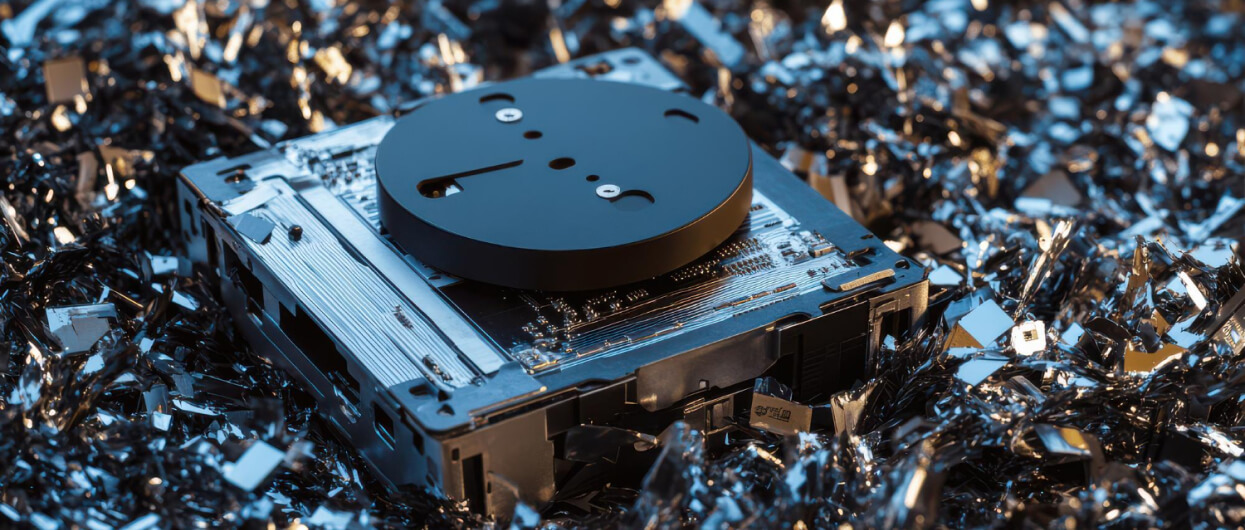
Data security failures uncommonly start with sophisticated cyberattacks. In many cases, they begin with something far more ordinary: old hard drives, forgotten servers, or retired laptops that still retain sensitive information. For businesses handling research data, intellectual property, proprietary algorithms, customer records, or confidential operational data, inappropriate storage or dispensation creates a silent but serious risk.
This article describes why physical hard drive destruction for businesses matters, how it addresses risks that software-based methods cannot, and why organizations focused on trust, adherence, and long-term resilience must treat it as a critical security control.
Safeguarding information typically centers on active computer systems, networks, and online spaces. Yet equipment reaching its useful end presents a distinct set of dangers that people often overlook. This older technology requires careful handling. It can still hold sensitive details.
Even after files are deleted or drives are formatted, remnants of data often remain on decommissioned storage devices. This includes research datasets, customer information, and proprietary business files. When devices reach the end of their operational life, they often contain:
When files are deleted, their links are removed, not the actual information. Tools that are easy to get can often put this information back together. On top of that, this means the original data might still be accessible. What’s more, this capability presents a security consideration.
Organizations frequently neglect older computer equipment stored away. These devices might include server backup storage or retired portable computers. Such overlooked items can still hold private information. This situation presents an undetected risk. Organizations commonly overlook:
Each overlooked asset expands the attack surface, making hard drive destruction for businesses a necessary control for reducing long-term exposure.
Also read: Apple Watch Not Connecting To Phone: Here’s The 5 Reasons and Fixes!Many businesses rely heavily on software wiping tools, assuming they provide complete protection. While useful in limited contexts, these tools have structural limitations.
Software-based wiping and formatting can reduce data risk, but are not foolproof. Errors during the process, hardware differences like SSDs, or incomplete overwrites can leave data recoverable. Even advanced wiping methods can fail due to:
From a risk perspective, any method that leaves physical media intact introduces uncertainty.
Once a hard drive leaves a controlled environment, physical possession gives attackers new ways to access data. Forensic tools can recover information that software deletion cannot remove. Physical possession allows:
This is where hard drive destruction for businesses becomes the only defensible option in high-risk scenarios.
Destroying a hard drive serves a vital purpose. It is a key element for a company’s data protection strategy. By completely removing sensitive data, organizations physically organizations lessen the chance of information leaks. This action also enhances other security practices, such as data scrambling and permission settings.
Physically destroying hard drives ensures that sensitive information is completely removed at its origin. Unlike software deletion, it leaves no chance for data recovery or reconstruction. Physical destruction ensures:
This certainty is particularly valuable for organizations handling high-value intellectual assets.
Hard drive destruction strengthens a layered security approach by addressing risks that digital controls cannot. Modern security frameworks emphasize layered protection. Hard drive destruction complements:
Together, these layers reduce both digital and physical data risks.
Also read: Top 10 IoT Mobile App Development Trends to Expect in 2021Organizations achieve compliance with important rules and oversight mandates. This process offers clear confirmation that sensitive information has been permanently removed. Following the correct steps minimizes legal entanglements and protects a company’s standing. Furthermore, it shows responsible action to those who review operations and to interested parties.
Organizations are expected to oversee all stages of their information. This includes ensuring its safe destruction. Failing to do so properly can result in penalties. It might also cause problems during reviews. Furthermore, such shortcomings can harm a company’s standing. Auditors and regulators often look for:
Failure to demonstrate proper disposal can undermine otherwise strong compliance programs.
Discarding computer storage incorrectly may lead to official fines. It can also break agreements with others. Furthermore, it can damage the confidence clients place in a company. Shredding these devices completely removes private information. This action helps prevent those negative outcomes. Improper disposal incidents can lead to:
Businesses that make hard drive destruction a routine step can lessen uncertainties about rules. They also lower the chances of damaging their public image. This practice offers a clear benefit. On top of that, it protects sensitive information.
Organizations focused on discovery find safeguarding their valuable ideas and private information paramount. Destroying storage devices stops unintended sharing of original discoveries, software blueprints, or testing details. This process ensures that confidential work remains secure.
Businesses frequently store valuable information on their hard drives. This could include confidential plans or new discoveries crucial for staying ahead of rivals. Destroying these drives physically guarantees that such sensitive data remains inaccessible and prevents any potential misuse. Hard drives may store:
Physical destruction prevents unintended disclosure that could compromise years of work.
Ensuring information security involves more than just actively using data. It also encompasses the safe removal of storage equipment no longer in service. Destroying hard drives showcases a dedication to keeping private matters private. It also reflects adherence to sound moral principles. Secure destruction demonstrates:
Not every storage device requires physical destruction, but certain scenarios demand it. Drives containing highly sensitive data, regulatory information, or intellectual property should always be destroyed.
Safeguarding important information on electronic storage devices is very important. This is especially true when those devices hold private research findings. It also applies to sensitive financial details. Furthermore, it extends to unique business knowledge. Hard drive destruction is essential when dealing with:
Whenever hardware reaches the end of its lifecycle or is replaced during upgrades, it becomes a potential security risk. Hard drive destruction during these events prevents data leaks from retired devices. Destruction should be standard during:
Organizations should integrate hard drive disposal into their routine business practices. This ensures devices are handled properly. Establishing clear guidelines along with defined responsibilities and consistent steps helps maintain the secure disposal of old equipment. What’s more, this approach promotes reliability. On top of that, it builds confidence in data protection. Even better, this method prevents potential security risks.
Implementing hard drive destruction within a formal data lifecycle policy ensures that every device is handled securely from acquisition to disposal. Organizations benefit from:
Detailed records of hard drive destruction offer assurance. They show that private information has been safely removed. These verification logs and certificates assist with checks. They help meet the necessary rules. They also support internal responsibility. Maintaining records of destruction supports:
This structured integration reinforces trust and accountability.
Also read: 10 Best AI Music Generator In 2025 (Royalty Free Music Generation)A business’s information holds immense value. It is also a source of potential trouble. Ignoring what happens to storage devices when they are no longer needed can weaken even the best security plans. Destroying old hard drives for companies addresses a crucial weak point. This action removes data from its physical location. It also lessens worry and builds greater confidence.
For businesses aiming for lasting strength, ethical information handling, and following rules, hard drive destruction is essential. It forms a vital component of taking proper care of data security.
Encryption protects data during use, but encryption keys can be compromised. Hard drive destruction ensures encrypted data cannot be accessed once hardware is retired.
Data wiping reduces risk but does not eliminate it. Physical destruction provides certainty when handling sensitive or regulated information.
Organizations managing research data, intellectual property, confidential records, or compliance-sensitive information benefit significantly.
It demonstrates responsible data lifecycle management and provides verifiable proof that sensitive data has been permanently removed.
Destruction is recommended when drives contain high-risk data or when reuse introduces uncertainty about complete data removal.
Tuesday August 12, 2025
Friday July 4, 2025
Thursday June 12, 2025
Tuesday June 10, 2025
Wednesday May 28, 2025
Monday March 17, 2025
Tuesday March 11, 2025
Wednesday March 5, 2025
Tuesday February 11, 2025
Wednesday January 22, 2025
The rapid growth of appendant technologies has created one of the most..

Enterprises today are facing unparalleled cybersecurity challenges. From..

Industrial contractors increasingly depend on interrelated digital systems to..

Individuals in this era frequently transmit real-time location data to..

Accidentally deleted an invaluable photo from your phone? We’ve all been..

In 2025, smart home security is no prolonged a luxury, it is a requirement...