

How Walmart AI-Powered Supply Chain Is Setting the Standard for the Future of Retail

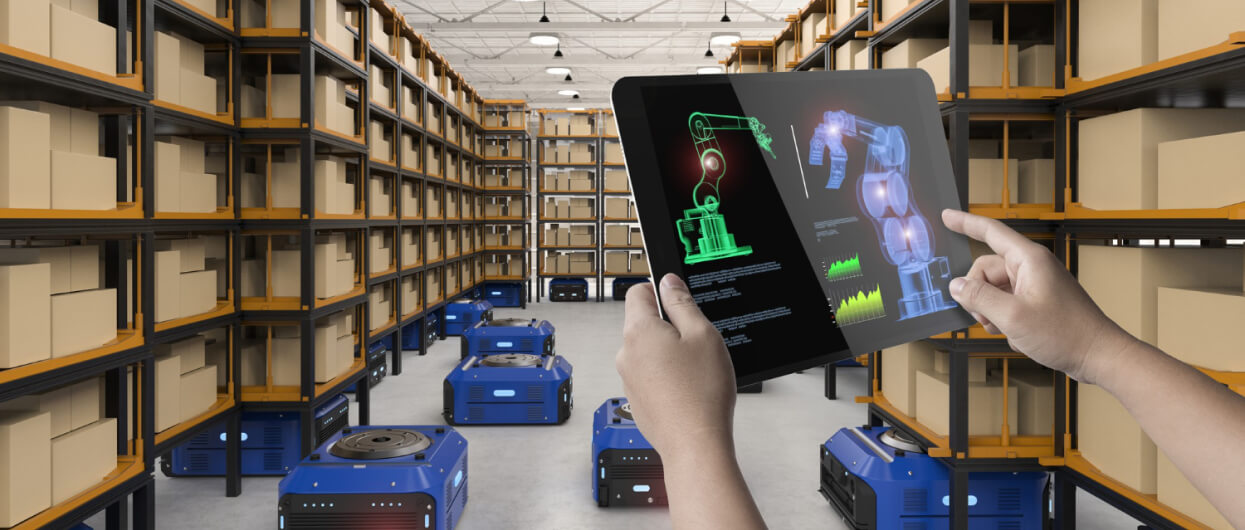
I understand the challenges our global operations confront. Unforeseen shifts in what people want, shipping snags across continents, and the growing need for greener practices all create constant turbulence. These issues often lead to empty shelves, surplus goods we cannot sell, and disappointed shoppers. The crucial puzzle we must solve is this: how can we ensure products reach our customers with greater speed, minimize unneeded stock, and maintain our financial health despite these unpredictable market conditions?
So basically, this AI is like a super smart helper for how companies move their stuff. Like Walmart AI-powered supply chain, the giant store, you know, they’ve figured out a way to make their whole system of getting things to people way better. They’re using AI to guess what people want to buy.
Plus, they have this digital copy of everything, so they can see what’s going on. What’s more, they can send things to different places if they need to. And get this, their systems can fix themselves if something goes wrong. This is totally how stores are gonna work from now on. And seriously, any company can pick up on these smart moves.
A Walmart AI-powered supply chain employs intelligent systems and sophisticated analysis. This approach enhances efficiency across supply chain operations. It refines processes and introduces automation. Traditional supply chains depend significantly on human planning and past information. AI-powered systems, however, can examine extensive current data. This data originates from many places. It includes what customers want: supplier reliability, shipping details, and market shifts.
Artificial intelligence allows businesses such as Walmart to anticipate their stock requirements. It also helps them identify possible interruptions. Furthermore, it enables quicker choices based on information. For instance, learning systems can estimate which items will be popular during particular times of the year. They can even predict demand due to local happenings. This forward-looking ability assists stores in avoiding empty shelves. It also helps prevent having too many unsold goods. On top of that, it enhances how well things run.
Walmart possesses a renowned supply system. In recent times, the large retailer has made significant changes. These changes aim to enhance its operations. The company now uses sophisticated tools. These tools help forecast what shoppers will want. This allows for better preparation. On top of that, its operations are becoming quicker. What’s more, the system is stronger. Even better, it can handle unexpected situations. This includes:
This approach enables Walmart to manage millions of products across thousands of stores with efficiency that smaller retailers dream of.
Also read: How To Access Flags In Chrome + 5 Best Chrome Flags SettingsA significant shift is underway at Walmart. This transformation is driven by new ideas. These ideas are changing how the large company works around the world. The main improvements concentrate on making things run more smoothly. They also aim for greater correctness. Furthermore, they seek to allow quicker reactions across the entire process of getting goods to customers.
One of the most powerful tools in Walmart AI-powered supply chain is the ability to capture and act on real-time demand signals. Walmart captures demand patterns by analyzing:
This ensures shelves are stocked before consumers even realize they’ll need a product.
Walmart is leveraging digital twin technology to create virtual replicas of its supply chain operations. Walmart uses these models to:
This reduces costly trial-and-error decisions.
Also read: YellowStone Season 5: Part II Myths, Return Date & More! (A Complete Guide)Walmart has introduced a remarkable innovation in its product movement and storage. This advancement involves systems that can fix inventory problems on their own. These intelligent systems employ artificial intelligence and automated processes. They identify and resolve stock discrepancies naturally. This capability operates without requiring direct human input.
This means customers are far less likely to encounter “out of stock” notices.
What started in Walmart’s U.S. operations is now expanding to Latin America, Asia, and Europe. Scaling ensures:
A significant retail company is undertaking a major overhaul of its product delivery system. This initiative goes beyond simple technical improvements. It establishes a clear vision for how shops will operate in the years ahead. Customers increasingly expect quicker, more dependable deliveries at better prices. This business is showing how smart technology and environmentally friendly practices can address these demands. Their new approach emphasizes making things work well and keeping costs down.
Walmart’s operational adjustments provide important lessons for companies. Even though not all groups possess the same scope or means, the fundamental ideas guiding Walmart’s methods can be put into practice everywhere. These ideas help improve how things run. What’s more, they can encourage expansion.
A significant insight for companies emerges from observing Walmart’s approach. This insight centers on the strength of anticipating what customers will want. Rather than waiting for purchases to be recorded, Walmart employs advanced computer systems. These systems help them understand future customer desires. This allows for proactive preparation.
Another critical takeaway from Walmart’s strategy is the use of digital twins to simulate and optimize supply chain performance. Cloud-based solutions now make digital twins accessible for SMEs. Benefits include:
Consumers value eco-conscious brands. By mimicking Walmart’s waste-reduction efforts, businesses can:
Businesses will experience significant changes as artificial intelligence becomes more integrated into their supply operations. This evolution will impact how companies function, how they vie for market share, and how they provide benefits to their patrons. The groundwork Walmart is establishing now represents merely the initial phase of a profound metamorphosis. This transformation will ultimately mold the landscape of worldwide commerce and the movement of goods. Expect:
Walmart AI-powered supply chain intelligent systems for managing its flow of goods represent a significant shift in how the company operates. This transformation extends beyond mere improvements to its daily tasks. The business is extending its successful methods used in America to other countries. This demonstrates that artificial intelligence, automated processes, and virtual replicas of its operations are not distant ideas. Instead, these are current realities shaping successful shopping experiences. Indeed, these advancements are the key to staying ahead in the marketplace.
It’s Walmart’s global logistics system that uses AI to forecast demand, reroute inventory, and minimize waste through self-healing systems.
AI enables real-time forecasting, reduces errors, automates restocking, and improves last-mile delivery performance.
Digital twins are virtual replicas of warehouses and logistics networks that help businesses simulate and optimize operations.
Yes. Cloud-based tools make AI demand forecasting and inventory automation affordable even for SMEs.
Walmart sets industry benchmarks. Its adoption of AI and automation forces competitors to evolve, shaping how customers experience retail globally.
Tuesday August 12, 2025
Friday July 4, 2025
Thursday June 12, 2025
Tuesday June 10, 2025
Wednesday May 28, 2025
Monday March 17, 2025
Tuesday March 11, 2025
Wednesday March 5, 2025
Tuesday February 11, 2025
Wednesday January 22, 2025

I observe that companies today are under a lot more attention. It’s not..

Freight transportation is essential whether you are a small business owner..

In shipping, the packing flow or packing station layout has a crucial impact on..

Sneak peek about automated shipping courtesy for eCommerce logistics...

In today’s high-paced and accelerated world, where globalization has..

Picture this: You’re at the helm of a ship, the sea is rough, and a storm is..