

GPS Tracking In Medical Alert Devices And Fall Detection Systems

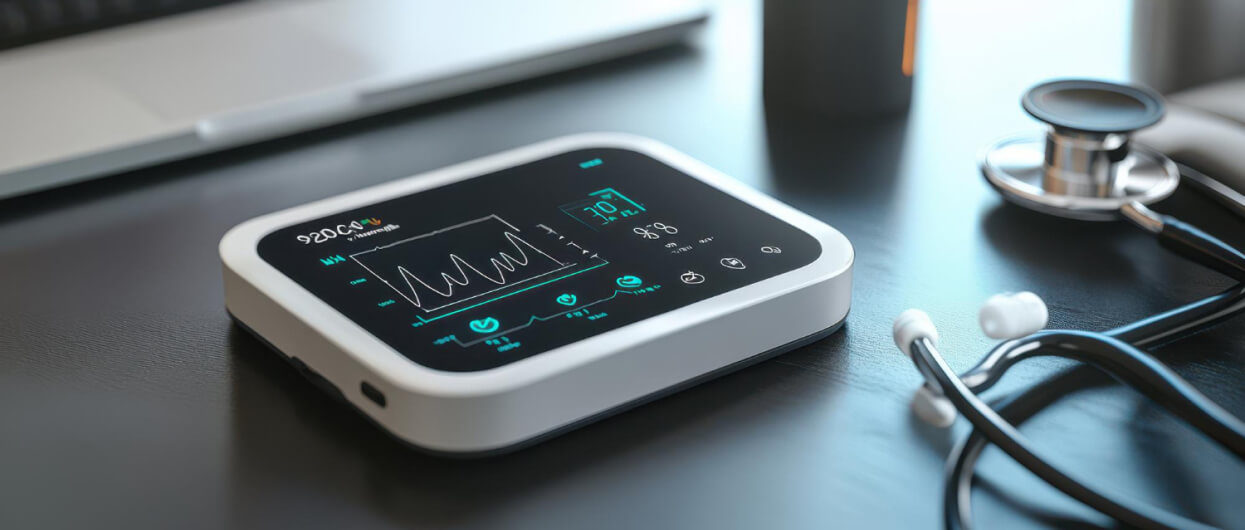
Seniors rely on medical alert devices for continual safety monitoring and reassurance. If they use one, they are always within reach of calling for help. Emergency responders can locate them using each unit’s Global Positioning System (GPS). Anyone interested in tech or supporting their aging loved one can learn more about how GPS monitoring works to understand why the tools are essential.
GPS tracking in medical devices is vital for numerous reasons. Aging adults can become disoriented or fall. They may be unable to reach a cellphone, especially if they prefer living without one. Some GPS medical alert tools automatically detect falls and send the person’s location to emergency personnel. Others send the location after the user presses a button to alert their monitoring care team.
Geofencing is also possible with GPS. Some models allow authorized users to set invisible boundaries around their loved one’s living space. If the senior leaves the area, the device alerts those authorized users or emergency services. People living with dementia might need that functionality to improve their safety.
Anyone caring for an aging loved one can benefit from GPS fall alert tools. The location data reassures family members that their senior is safe and continually within reach of contacting emergency responders. They can also check the location with a connected app to immediately find their senior if they arrive at an empty home.
First responders may also appreciate GPS tracking devices for older adults. Someone who falls might be unconscious when emergency medical services (EMS) arrive, preventing them from calling for help. Monitoring teams may also have medical information that helps the EMS workers provide more accurate on-site care.
Also read: Spotify User? Guide To Cancel Spotify Premium SubscriptionMedical alert systems with fall protection cost the purchase price and a monthly fee. While in-home units also have installation costs, mobile devices like watches or necklaces only need activation. Afterward, the user pays a monthly fee to retain their monitoring and network connection.
Exact security measures for GPS data are specific to each manufacturer and the user’s location. Companies provide more details in their data privacy policies. They must have a data encryption method to protect each wearer’s protected health information (PHI) under the Health Insurance Portability and Accountability Act (HIPAA). Some LTE networks might also have protected transmission.
Manufacturers may share location data with third parties for legitimate reasons. Monitoring teams might provide PHI to EMS responders when a user needs medical attention. Caregivers can request PHI if they are authorized users. Companies might also sell general user data to third parties, depending on their privacy policies and what users opt out of in their account settings.
Also read: How To Jailbreak Firestick In 10 Seconds (2025 Guide)Comparing medical alert systems with GPS functionalities will reveal more about their technical advantages and benefits. Anyone with an aging loved one or an interest in technology should start with the leading providers.
Medical Guardian has multiple GPS-enabled devices for seniors. These devices connect aging adults with highly trained operators and monitoring teams, providing continual location data. Loved ones can also monitor their seniors’ location through the Care Circle app, which only provides GPS data to authorized users. AT&T and Verizon cellular networks ensure the GPS can send location updates to everyone involved in a senior’s care.
| Medical Guardian | ||
|---|---|---|
| Included Features | GPS Product Options | Pricing |
| GPS location updates Nationwide coverage 24/7 monitoring Water-resistance Activity trends And more |
MGMini MGMini Lite MGMove |
Starting at $38.95 per month |
GPS devices from Bay Alarm Medical are some of the most discreet models available. The tiny, powerful computers come in multiple styles and provide the wearer’s location via Wi-Fi. Fast charging times, extended battery life, and auto fall protection ensure that seniors have the location monitoring their loved ones need daily.
| Bay Alarm Medical | ||
|---|---|---|
| Included Features | GPS Product Options | Pricing |
| Wristband, lanyard, and belt clip attachments 24/7 monitoring Water resistance 36-hour battery life And more |
SOS All-In-One 2 SOS Micro SOS Smartwatch |
Starting at $34.95 per month |
Lifeline guides aging adults to the best GPS alert device with a straightforward preferences quiz. No matter the result, users enjoy 24/7 location monitoring and automatic medical assistance with the touch of a button. If that happens, a Trained Care Specialist can communicate with the wearer through their device so they know help is coming.
| Lifeline | ||
|---|---|---|
| Included Features | GPS Product Options | Pricing |
| 24/7 monitoring Family, friends, and emergency service response capabilities Belt clips No long-term features And more |
On the Go Smartwatch |
Starting at $34.95 per month |
If a GPS-enabled medical alert tool could improve a loved one’s quality of life, interested consumers should remember some common integration strategies. They will help everyone ease into a life with an alert device, especially if the aging loved one is initially reluctant.
Customer service representatives are always available to answer questions. Concerned loved ones can request more information about GPS data protections, available device styles, and any other questions that might arise.
Also read: Costco Gas Hours: Know Everything Including Holidays, Saturdays, & Sundays In 2025Once people learn how much medical alert systems cost and why GPS tracking is essential, they may feel more motivated to invest in a device. Their aging loved one could appreciate the constant access to help while family members enjoy the peace of mind from knowing where their senior is.
Tuesday August 12, 2025
Friday July 4, 2025
Thursday June 12, 2025
Tuesday June 10, 2025
Wednesday May 28, 2025
Monday March 17, 2025
Tuesday March 11, 2025
Wednesday March 5, 2025
Tuesday February 11, 2025
Wednesday January 22, 2025
Modern healthcare applications require prudent workflows, real-time analytics,..

Competitive athletes today face a disapproving challenge: traditional training..
Many healthcare organizations invest heavily in websites, social media, and..
Healthcare Revenue Cycle Management (RCM) was never designed to be ingenious,..

Digital marketing has become a core evolution engine for healthcare..

Shoulder pain is one of the most common complaints among side sleepers, and in..