

Innovations In Elderly Care: Smart Homes And Assisted Living Technologies

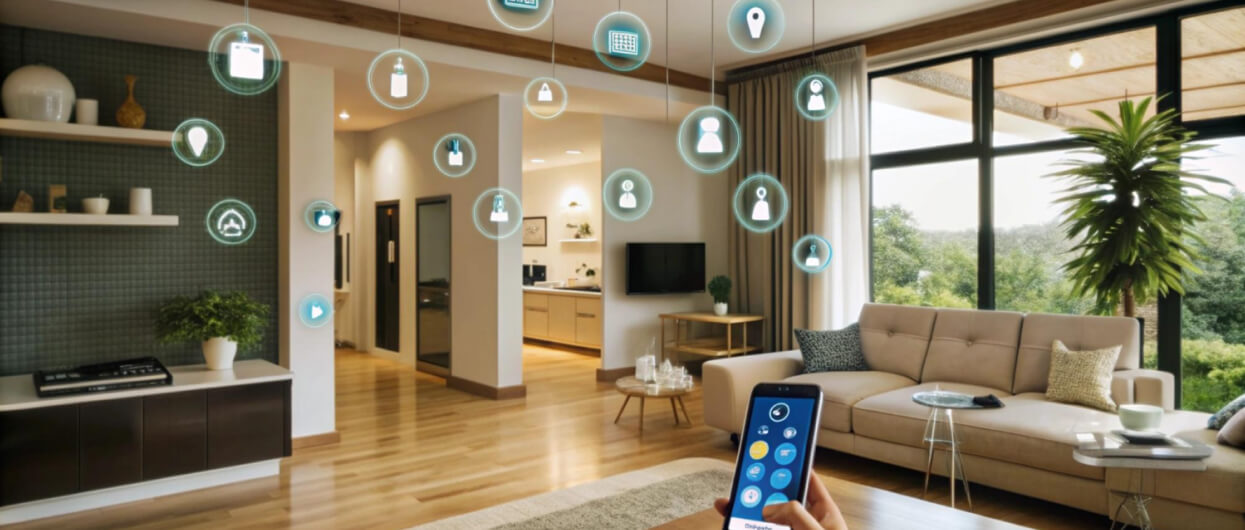
As Australia’s population ages, the demand for innovative approaches to elderly care is growing rapidly. Families and care providers are increasingly turning to modern solutions that combine convenience, safety, and independence. From Smart Homes and Assisted Living Technologies to advanced monitoring tools, these innovations are reshaping how older Australians live. At the heart of this transformation is the integration of connected devices and digital health platforms, which bridge the gap between home comfort and healthcare support.
Smart homes are no longer a futuristic idea—they are a practical reality. For elderly Australians, these technologies provide reassurance for both themselves and their loved ones. Key features include:
By creating safer environments, smart home technologies allow seniors to maintain independence while ensuring that support is only a moment away.
Also read: What Is Cognition’s New AI-Software “Devin AI” All About? (Complete Guide)Beyond the home, assisted living facilities are incorporating cutting-edge technologies to improve care delivery. Examples include:
These tools not only support physical health but also improve mental well-being by reducing stress for both seniors and their families.
The real strength of these innovations lies in their ability to integrate with healthcare systems. By connecting smart home devices and assisted living technologies with digital health records, carers and medical professionals gain real-time insights into a person’s wellbeing. This digital integration means:
The future of elderly care in Australia will continue to be shaped by advancements in smart technologies and digital healthcare. By embracing these innovations, we are moving towards a model of care that is safer, more personalised, and more empowering for seniors.
Smart homes and assisted living technologies are not just about gadgets; they represent a fundamental shift towards dignity, independence, and connectedness in later life. Families, carers, and health providers who adopt these tools can look forward to a more proactive and supportive approach to elderly care.
Tuesday August 12, 2025
Friday July 4, 2025
Thursday June 12, 2025
Tuesday June 10, 2025
Wednesday May 28, 2025
Monday March 17, 2025
Tuesday March 11, 2025
Wednesday March 5, 2025
Tuesday February 11, 2025
Wednesday January 22, 2025

High-quality market intelligence is precious, fragmented, and often locked..

If your legacy Java application collides with large datasets, batch processing..

Customer support systems are designed to streamline communication, decrease..

Personalised PAT test labels are crucial elements in maintaining compliance and..

In today’s retail environment, in-store execution has become one of the most..

Paid guest posting is commonly positioned as a fast-track solution to enhance..