

Why Are So Many People Turning To Natural Remedies For Anxiety?

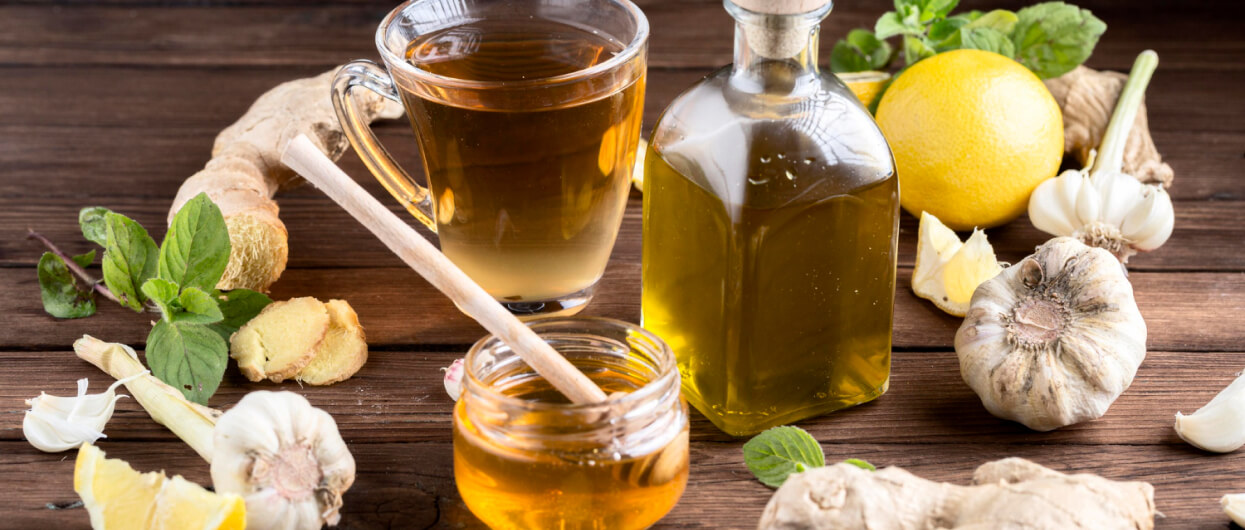
I observe that anxiety presents itself frequently in our modern world. Global health data indicates millions experience daily stress, worry panic. Standard medical practice proposes treatments including medication therapy. Many are exploring natural remedies for managing anxiety. This shift reflects a preference for reduced side effects, a holistic healing process a sustained commitment to psychological well-being.
I understand conventional treatments frequently offer assistance; however, these can introduce unwanted effects like sleepiness or addiction. Many individuals then ponder a healthier, less risky approach to managing anxiety without negatively impacting overall well-being. I often consider what alternatives exist.
This blog will discover why natural remedies are gaining attention, what options exist, and how they compare to traditional treatments, giving readers a clear roadmap to make informed choices.
Increasingly, adults are exploring alternative healthcare approaches. The shift away from established medical practices reflects various considerations. Conventional pharmaceuticals sometimes present undesirable consequences. Prolonged use can create dependency. Natural remedies provide an alternative. These options encompass herbal teas, essential oil supplements. They are perceived as safer, gentler more economical solutions addressing common health issues.
A significant factor influencing a shift away from traditional medical practices involves patient apprehension regarding adverse consequences. Pharmaceutical interventions, though often beneficial, may induce undesirable results. Examples include somnolence, gastrointestinal distress or potential for prolonged health challenges, particularly with extended use. Numerous people express concern about medication dependence or difficulties arising from concurrent drug therapies.
A significant factor driving interest in natural remedies involves preventative health strategies. Adults seek comprehensive wellness practices. Rather than reacting to illness after onset, individuals choose methods that bolster physical, mental and immunological fortitude. Herbal supplements meditation, yoga, and balanced nutrition are examples of this proactive philosophy. These choices reflect a changing attitude toward personal health.
The increasing importance of wellness culture significantly influences individuals’ demand for natural treatments. Social media personalities and wellness companies readily promote wholesome lifestyles, vegetarian eating plans, and unostentatious therapeutic approaches. This societal transformation renders natural remedies increasingly accessible and appealing to the typical person. A heightened awareness exists.
Also read: [10 BEST] AI Influencer Generator Apps Trending Right NowIndividuals seeking to navigate anxious feelings often discover solace in natural approaches. These methods appear secure, efficient, and simple to incorporate into daily routines. Reliance upon pharmaceutical interventions alone is diminishing as people investigate alternatives. These choices, nutrition, tranquillity and emotional equilibrium have unfortunate consequences. Chamomile and lavender herbal infusions are popular due to their calming qualities.
Herbal preparations have served humanity for ages, inducing mental tranquillity and alleviating tension. Contemporary investigation currently validates numerous advantages. Chamomile infusion, a widely recognised selection, frequently provides a calming influence on the nervous system. This attribute makes it a preferred option preceding sleep. Lavender incorporated in both beverages’ aromatic extracts correlates with diminished anxiety and enhanced sleep duration.
For a mature adult, these established techniques are vital. Yoga meditation and focused breathing are helpful. Such practices offer a natural method for anxiety management. They cultivate a connection between mental states and physical sensations. This approach assists individuals in lessening tension.
Diet and daily habits are important for an adult’s mental state. Specific food elements like magnesium, omega-3 fatty acids and B vitamins assist the brain. They also diminish tension. These elements contribute to better mental wellness.
Scientific investigation now examines age-old practices. Herbal solutions interest researchers seeking anxiety relief. Chamomile, lavender, valerian root and ashwagandha are subjects of the present study. These plant-based treatments show promise in reducing stress indicators. Enhanced rest is a possible outcome. Relaxation seems achievable.
Scientific studies now favour plant-based treatments for anxiety. Chamomile, a popular herb, has undergone clinical investigation. Results indicate it diminishes signs of slight or moderate anxiety. This effect probably stems from its capacity to soothe the brain.
Anxiety significantly involves brain chemistry. Neurotransmitters such as serotonin, GABA and dopamine play key roles. These constituents scrupulously manage mood and reactions to stress. Certain natural treatments plus healthy lifestyle modifications offer potential benefits. Such strategies can influence these specific neurochemical systems.
Also read: Top 10 Zapier Alternatives & Competitors In 2025Natural treatments demonstrate variable efficacy. Individual responses to such remedies differ considerably. Prudent application involves integration with established therapies and medical guidance. These should not supplant professional intervention when dealing with serious conditions.
Natural remedies present a supplementary strategy or a disparate perspective to standard anxiety treatments. Understanding distinctions empowers adults to make considerate decisions. Standard medications, including antidepressants and anti-anxiety drugs repeatedly act speedily. These medications are often notably effective for moderate or severe anxiety.
Standard therapeutic approaches to anxiety frequently involve pharmaceutical interventions. These established treatments are frequently quite beneficial. They offer swift symptom reduction for those grappling with significant levels of distress. These remedies often furnish substantial comfort. Alleviating suffering is a primary objective.
Several approaches address anxiety. Herbal supplements offer assistance. Mind-body practices provide relief. Dietary adjustments contribute positively. These natural treatments function more slowly than established pharmaceutical options. The advantages are lasting; they encompass overall well-being.
For a mature adult, a combined strategy often proves most beneficial in addressing anxiety. This approach merges established medical treatments with natural therapies. Individuals gain advantages from the immediate relief provided by prescribed drugs. Simultaneously, they incorporate holistic methods promoting sustained mental and physical health.
Also read: Home Theatre Power Manager: Should You Buy It? (Complete Review) + 5 Best Home Theatre Power Conditioners To BuyAdopting natural treatments for anxiety proves beneficial if implemented carefully. A primary action involves investigating and learning about the advantages and possible adverse outcomes associated with plant-based remedies. Consider chamomile, ashwagandha valerian root. These represent potential options. Careful consideration is essential.
To manage anxiety using natural methods, a measured approach is essential for safety and desired results. One should initiate the process with a limited number of remedies, such as a single herbal supplement, perhaps chamomile tea or a short daily meditation practice. Avoid simultaneous implementation of numerous strategies.
Initiating herbal treatments requires professional medical advice. A conversation with a qualified physician is essential for patient well-being. This is particularly vital for individuals using prescribed drugs. Prior consultation is also important for those managing long-term illnesses. Expectant mothers and nursing mothers should also seek guidance.
Implementing a regular schedule proves vital for optimal results from natural anxiety treatments. A stable pattern enables both the physical and mental states to adjust to novel approaches, enhancing their efficacy across extended periods. Designate fixed daily periods for exercises such as meditation, mindful movement, focused respiration or herbal supplement consumption.
Also read: Top 10 Programming Languages for Kids to learnThe increasing preference for natural anxiety treatments reflects a wish for improved safety, complete care and lasting approaches. These options, though not replacements for conventional medicine, enable personal agency in mental health management. Individuals can experience reduced adverse reactions and enduring advantages.
Through the combination of scientific evidence and self-directed care, people develop a well-rounded method for naturally addressing anxiety.
Yes, most lifestyle-based remedies (like meditation, yoga, and nutrition) are safe. However, herbal supplements should be monitored for dosage and interactions.
Not always. For mild anxiety, they may be enough, but for severe cases, professional medical help is necessary. Natural remedies are best as complements.
Deep breathing exercises and aromatherapy (lavender oil) provide almost immediate relief. Herbal remedies may take weeks to show effects.
Yes. Studies on ashwagandha, chamomile, and mindfulness meditation show significant anxiety reduction compared to control groups.
Pregnant women, people on certain medications, or those with chronic illnesses should consult a healthcare provider before using herbal remedies.
Tuesday August 12, 2025
Friday July 4, 2025
Thursday June 12, 2025
Tuesday June 10, 2025
Wednesday May 28, 2025
Monday March 17, 2025
Tuesday March 11, 2025
Wednesday March 5, 2025
Tuesday February 11, 2025
Wednesday January 22, 2025

Modern healthcare applications require prudent workflows, real-time analytics,..

Competitive athletes today face a disapproving challenge: traditional training..

Many healthcare organizations invest heavily in websites, social media, and..

Healthcare Revenue Cycle Management (RCM) was never designed to be ingenious,..

Digital marketing has become a core evolution engine for healthcare..

Shoulder pain is one of the most common complaints among side sleepers, and in..