

Can Remote Workers Really Stay Healthy Sitting All Day?

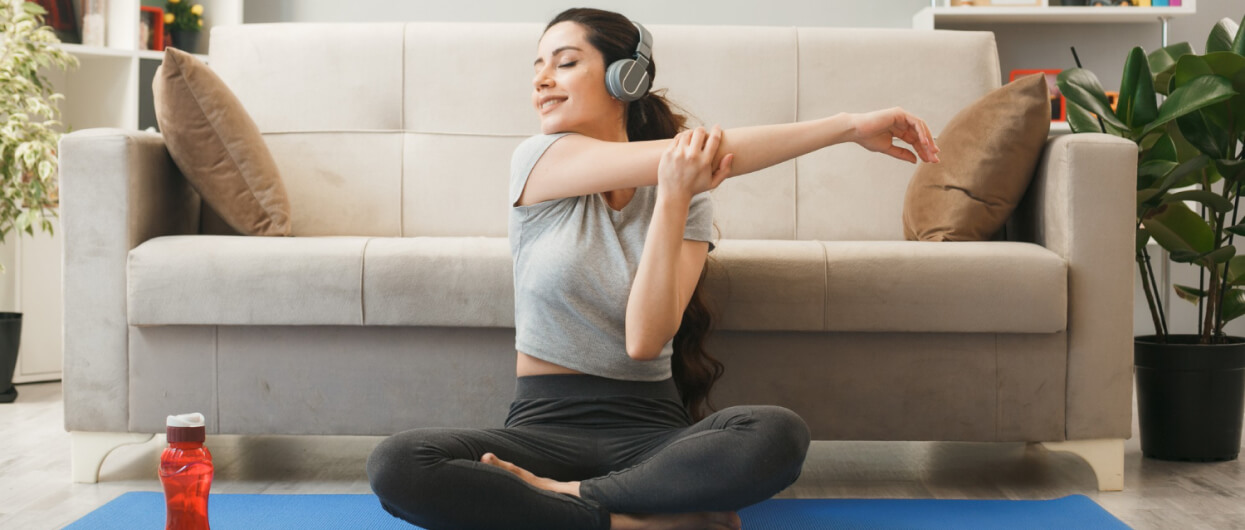
I’ve noticed a significant shift in how we approach our jobs. Working from home provides a lot of freedom. On top of that, it offers the flexibility I truly appreciate. However, I’ve also found a new difficulty. I spend many hours seated at my desk. This means I’m not moving as much as I should. This raises an important question: how can we stay healthy sitting all day while managing remote work demands?
I understand that sitting for extended periods can cause discomfort in your back. It can also contribute to weight gain, heart problems and a stooped way of standing. You might even feel tired in your mind. Many of us working find it hard to keep up with our health needs while also meeting work expectations.
We often miss the signals our bodies send until they become more serious. In this writing, I will share simple and proven ways to help people who work from home take care of their well-being. This is true even if your work keeps you at your desk for many hours.
Professionals observe that extended periods of inactivity resemble smoking. Both can harm the body subtly over the years. Smoking affects the lungs and the heart. Remaining seated for many hours generates numerous health problems. These issues are quite serious.
In our current technology-focused world, many individuals spend most of their day seated. Remote workers, students and office staff are frequently in this situation. They might be at their computer, attending online meetings or travelling.
Extended periods of sitting each day can elevate concerns for developing conditions such as diabetes, obesity and heart problems. The body’s energy expenditure decreases. Muscle flexibility diminishes. Blood flow becomes less efficient. These changes can present challenges to maintaining overall well-being over time.
Extended periods of sitting can affect a person’s well-being. This inactivity limits blood circulation to the brain. Consequently, your stress levels may rise. Fatigue can become more pronounced. Focus may also diminish. This often leaves those working from home feeling persistently depleted.
Also read: 50+ Cool Websites To Visit When Bored | Best Fun Websites To Visit In 2025A well-arranged work area greatly supports your physical well-being. Many people working from home experience discomfort such as back soreness, stiff necks, eye fatigue and persistent headaches. This often stems from an inadequate desk arrangement. A thoughtfully designed workspace helps keep your body in a natural posture. This lessens strain on your joints and muscles as you perform your tasks. On top of that, it promotes better overall comfort.
A chair designed for comfort aids the lower back. Desk height also plays a role. It helps keep wrists and the neck in a good position. People working from home can use a simple guideline. They should aim for right angles. This means elbows, knees and hips should form these angles. This practice helps avoid discomfort.
The computer display ought to be positioned at the user’s eye height. Furthermore, the input devices, like the keyboard and mouse, should rest within easy reach. This proximity helps in lessening strain on the wrists. Even small changes in this setup can lead to a notable decrease in discomfort in the neck and shoulders.
Also read: Best 10 Semrush Alternative For 2025 (Free & Paid)It is a widespread misconception that a single vigorous exercise session can counteract extended periods of inactivity. Scientific findings indicate this is not the case. Even dedicating an hour to physical training does not negate the potential health concerns arising from sitting for seven to eight consecutive hours. Therefore, incorporating brief periods of movement or short exercises proves considerably more beneficial for individuals working remotely or in desk-bound occupations.
Professionals suggest a pattern. This pattern involves sitting for twenty minutes. After sitting, it is advised to stand for eight minutes. On top of that, movement for a minimum of two minutes is beneficial. This sequence helps avoid muscles becoming stiff. What’s more, it improves blood flow throughout the body.
Individuals working away from the office may perform neck turns, shoulder circles and wrist flexibility exercises while seated. Yoga postures adapted for chairs, such as gentle torso twists and leg stretches, enhance suppleness. These movements contribute to physical well-being. On top of that, they do not impede the flow of daily tasks.
Focusing on movements utilizing your own body weight proves essential. These exercises can be completed in brief periods. Consider squats, lunges, planks and push-ups. These actions involve several muscle groups. They also require minimal space. What’s more, incorporate short bursts of activity. Jumping jacks, high knees or climbing stairs quickly fit this need. This combination offers a full-body exercise. You can achieve this without departing from your residence.
Brief energetic exercise periods build physical resilience. Working with resistance bands also promotes bodily power. Furthermore, a ten-minute stroll contributes to maintaining a strong heart and good physical condition.
Wearable devices and phone programs offer helpful nudges. These tools can prompt employees to stand up and move. They also encourage regular hydration. Furthermore, these gadgets track how many steps individuals take. This assists in preventing prolonged periods of sitting still.
Also read: What Are Top 10 Blood Thinners To Minimize Heart Disease?A person who spends much of their day seated naturally expends less energy than an active individual. Consequently, nutrition assumes a vital role, perhaps even exceeding that of physical activity. Remote professionals often encounter challenges such as unthinking consumption of snacks, excessive stimulant intake or missed meals due to continuous engagements. These patterns over a duration can contribute to an increase in body mass, a feeling of lethargy and a lack of essential nourishment.
Individuals working from home sometimes find themselves eating due to a lack of engagement. Keeping a supply of nutritious choices such as nuts, fruit, and protein-rich snacks can help avoid an increase in body weight. On top of that, this practice offers a way to maintain well-being.
When a person does not drink enough water, they can feel tired. Their thinking may also become unclear. Having a drink container at one’s workspace prompts consistent water intake. This practice enhances how well someone works. It also boosts general well-being.
Also read: Chromecast vs Firestick: Which Is The Better Streaming Device? (A Complete Guide)Remote work provides significant freedom and adaptability. However, it presents certain difficulties that are not immediately obvious. These include feelings of isolation, a blurring of personal and professional time, and persistent digital exhaustion. A typical office environment offers regular social exchanges that interrupt the workday.
Remote professionals frequently experience solitude. This isolation can result in heightened stress, diminished capacity, and a decline in overall mental wellness. Focusing on mental health is not merely an option. It is a fundamental requirement for effective output and enduring achievement.
Taking brief pauses can lessen strain. These short breaks also sharpen concentration. Furthermore, they decrease the likelihood of feeling completely worn out. Using applications for quiet reflection or practising slow breathing during these pauses assists individuals working from home in regaining their mental clarity.
Individuals working from home without a distinct office space frequently find themselves working longer than intended. Establishing clear boundaries for when work begins and ends is essential for maintaining good mental health. This practice also helps avoid feeling completely drained. Furthermore, it promotes a healthier balance.
Maintaining good health for someone working from home requires more than temporary solutions. It involves establishing lasting practices that benefit both physical and mental well-being over extended periods. Furthermore, small, consistent adjustments to daily life yield greater results than significant changes that are difficult to sustain.
Shifting positions between sitting and standing offers benefits. It can reduce the chances of developing long-term health issues. For instance, devices like stability balls or specially designed chairs encourage more movement while seated. These items help strengthen important muscles in the body.
A regular schedule helps maintain well-being and efficiency. One should set aside specific periods for eating. Furthermore, allotting time for physical activity is beneficial. On top of that, dedicating moments to rest contributes significantly. This organized pattern supports a healthy lifestyle. It also promotes greater output.
Also read: What Is No Code Predictive Analytics? How To Build Using N8N, Google Colab, Akkio & Others?Working from home presents challenges. Extended periods of sitting can impact a person’s physical and mental well-being. However, establishing deliberate practices can foster good health. These include arranging a comfortable workspace. Taking frequent pauses to move is also beneficial. Nourishing the body with good food plays a part, helping you find ways to stay healthy sitting all day.
Furthermore, employing strategies for mental clarity is important. These combined efforts make it feasible to maintain wellness while seated for long stretches. Remote employment does not necessitate sacrificing one’s health. Instead, it offers a chance to cultivate a way of living that is both effective and centred on well-being.
Incorporate movement breaks, use an ergonomic setup, and practice desk stretches regularly to reduce the risks of prolonged sitting.
Yes. Alternating between sitting and standing improves posture, circulation, and energy levels, making it healthier than continuous sitting.
Simple stretches, squats, push-ups, or a brisk 5-minute walk can make a big difference in physical and mental well-being.
Choosing balanced meals and healthy snacks prevents energy crashes, supports brain function, and helps maintain a healthy weight.
Yes, prolonged isolation and lack of movement can lead to stress and burnout. Setting boundaries and taking mental breaks helps maintain balance.
Tuesday August 12, 2025
Friday July 4, 2025
Thursday June 12, 2025
Tuesday June 10, 2025
Wednesday May 28, 2025
Monday March 17, 2025
Tuesday March 11, 2025
Wednesday March 5, 2025
Tuesday February 11, 2025
Wednesday January 22, 2025

Modern healthcare applications require prudent workflows, real-time analytics,..

Competitive athletes today face a disapproving challenge: traditional training..

Many healthcare organizations invest heavily in websites, social media, and..

Healthcare Revenue Cycle Management (RCM) was never designed to be ingenious,..

Digital marketing has become a core evolution engine for healthcare..
Shoulder pain is one of the most common complaints among side sleepers, and in..